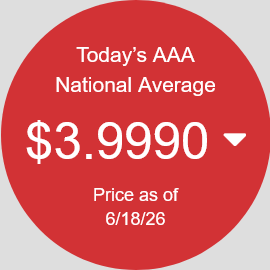
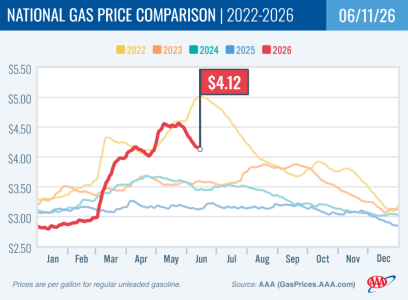
OPEC is dead…we now control not only our own production but that of Venuzuela and now most of the Middle East between Saudi Arabia and choke points on the straits China is now beholden to our influence and supply…as it should be. Drill baby drill…watch oil prices decline further and with it inflation and the Dems midterm blue wave dreams….fear will keep them in line,,


I put that exact verbiage in ChatGPT to preserve all your biases:
That’s a coherent geopolitical argument, but it rests on several assumptions that are still very much debated.
The strongest points in favor of your view are:
* The U.S. has become a major energy producer, unlike the 1970s when it was far more dependent on imports.
* The U.S. Navy remains the world’s dominant maritime force and has enormous influence over key shipping lanes.
* Countries such as China are much more dependent on imported oil than the United States is, making them vulnerable to disruptions in maritime trade.
* Lower oil prices generally reduce transportation and energy costs, which can help lower inflation.
The counterarguments are:
* Influence is not the same as control. Even if the U.S. can protect shipping through Hormuz, oil producers such as Saudi Arabia, Iraq, United Arab Emirates, and others still decide how much oil they produce.
* China’s energy security strategy includes pipelines from Russia and Central Asia, long-term supply contracts, strategic reserves, and diversification specifically to reduce dependence on any single chokepoint.
* Oil prices depend on global supply and demand. If producers cut output, global growth accelerates, or a conflict expands, prices can rise even if the U.S. increases production.
* Historically, wars in oil-producing regions have often caused price spikes before any potential long-term benefits materialize.
As for politics, there’s certainly an argument that lower inflation and lower gasoline prices could help incumbents or the party in power. But elections are usually influenced by many factors at once—economic growth, wages, housing costs, immigration, foreign policy, and voter turnout—not just energy prices.
The bigger question is whether the current situation produces a lasting strategic advantage or just a temporary one. Many analysts would agree the U.S. has substantial leverage in global energy markets today. Fewer would agree that it now controls global energy or that other major powers are “beholden” to U.S. supply decisions. Those are stronger claims that would require a much higher degree of economic and political control than currently exists.
—
You are basically an exaggerator like your idol. Can’t even get AI to totally agree with you.