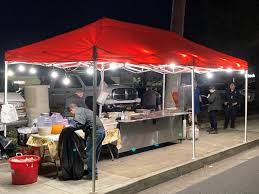
I would try a test kitchen first to see if the concept works and to build a following... then move up from there.
AI knows more about this than I do:
When choosing between a
Ghost Kitchen and a
Food Hall, you are choosing between two entirely different business models:
high visibility/high cost vs.
zero visibility/low cost (Giousmpasoglou; Shapiro, 2022).
For a fried food startup in Irvine, places like
Smart Kitchens on Skypark Circle represent the ultimate sweet spot between the two.
1. The Verdict: Ghost Kitchen vs. Food Hall
- Food Halls (e.g., Rodeo 39, Anaheim Packing District): These are high-risk, high-cost spaces. They act as premium, physical storefronts. You must sign a long-term, multi-year commercial lease, pay a massive monthly base rent plus a percentage of your total sales, and spend $50,000+ upfront just to build out your stall's interior. They are terrible for a Day 1 startup but amazing once you have a huge following.
- Ghost Kitchens (e.g., CloudKitchens): These are lower risk because they are strictly delivery/takeout warehouses with zero customer dine-in area (Giousmpasoglou; Paul). You save money on decor and service staff, but you have a massive problem: zero foot traffic. You are entirely dependent on DoorDash/UberEats algorithms, and third-party delivery apps will take a brutal 15% to 30% cut of every sale.
2. The Skypark Circle "Smart Kitchens" Model
The
Smart Kitchens facility located at
17961 Skypark Circle in Irvine is a highly specific, hybrid type of ghost kitchen. It is an industrial warehouse divided into dozens of individual, private commercial kitchen stalls pre-permitted by the Orange County Health Care Agency (OCHCA) and outfitted with commercial exhaust hoods (perfect for your deep fryer).
Why Skypark Circle works perfectly for an Irvine Startup:
- The "Takeout Windows": Traditional ghost kitchens are deeply hidden warehouses where customers can't easily walk up. Skypark Circle is explicitly designed with centralized pickup lobbies or windows. This allows you to bypass expensive delivery drivers and market directly to the massive daytime corporate lunch crowd working in the surrounding Irvine Business Complex.
- Fast-Track Permitting: Building a commercial kitchen from scratch in Irvine requires months of expensive city architecture plan checks. In a facility like Skypark Circle, the infrastructure (the grease traps, fire suppression, and major plumbing) is already approved. You bring your fryers and start cooking.
- Flexibility: They offer monthly leases rather than 5-year commitments, allowing you a low-risk environment to prove your fried food concept.
The Hidden Catch with Fryers in Ghost Kitchens
Before signing a lease at a facility like Skypark Circle, you must verify
air treatment and grease management.
Deep fryers generate heavy aerosolized grease. Traditional ghost kitchens often charge mandatory, expensive monthly fees for hood cleaning, grease-trap pumping, and specialized fire suppression maintenance (Silva, 2025). Furthermore, fried food does not travel well; the steam traps moisture inside delivery containers, turning crispy food soggy within 10 minutes (Paul).
The Ultimate Plan
If you choose to use a Skypark Circle facility:
- Focus heavily on the Takeout/Pickup model rather than relying solely on delivery apps to protect your profit margins.
- Optimize your packaging (use vented, high-airflow boxes) so your fried food stays genuinely crispy for the corporate workers driving back to their offices.
- Use it as a hub to prep your food, and leverage the mobile cart or brewery pop-up method on weekends to build a brand presence outside the warehouse walls.